You stretch your hips in the morning. By lunch they are tight again. You foam roll, you try the pigeon pose from the video, you sit on a ball at your desk. Two days later it is the same two spots.
That pattern is the most common thing we hear at both studios, and it usually means one thing: your hips are not short. They are guarding.
What does it mean when a muscle is guarding?
Guarding is your nervous system holding a muscle partly switched on to protect you. It is useful in the moment: if you are lifting, bracing for a hit or running for a bus, you want your hips and trunk stiff.
The trouble starts when the signal never turns off. Long commutes, back-to-back meetings, poor sleep, hard training on top of a full workload: to your nervous system, all of that reads as “stay ready”. The hip flexors, the deep rotators and the muscles around the low back are among the first places that readiness shows up.
You feel it as tightness. But the muscle is not too short to move. It is being told not to.
Why doesn’t stretching harder fix it?
Because a guarded muscle releases when the nervous system feels safe, not when it is pulled.
A fast, forceful stretch is one more thing for your system to protect against. You get a little give while you hold it, and the guarding returns as soon as you stand up. That is the “snap back” so many clients describe.
What changes the pattern is the order you do things in:
- Calm the system first. Long, slow exhales are the most direct way to move your body out of fight-or-flight. We often say breath is the remote control.
- Then open the body. Once the system has downshifted, a slow stretch meets far less resistance, and the range you gain tends to stay.
What can I do at home tonight?
Try this before bed, on the floor, for about ten minutes:
- Two minutes of long exhales. Lie on your back, knees bent. Breathe in through your nose for a count of four, out through your mouth for a count of six to eight. Let your jaw and shoulders drop on every exhale.
- A slow hip flexor stretch. Kneel on one knee, tuck your tailbone slightly, and shift forward only until you feel mild tension at the front of the hip. Hold for five long exhales. Switch sides.
- A supported figure four. On your back, cross one ankle over the opposite knee and let the top knee fall open with gravity. No pulling. Five exhales per side.
Mild tension is the target. If anything feels sharp, pinching or travels down your leg, stop.
When should I get help?
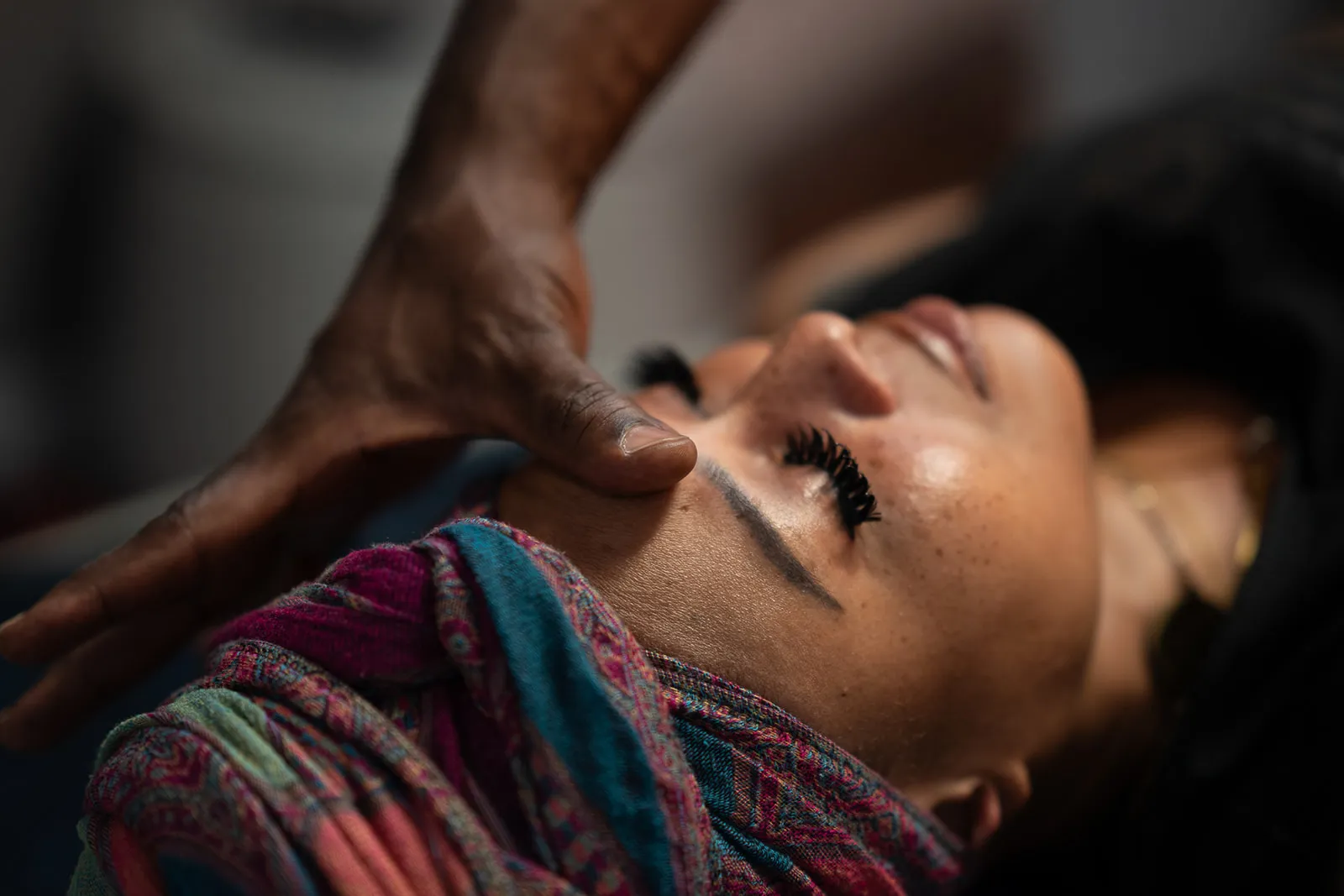
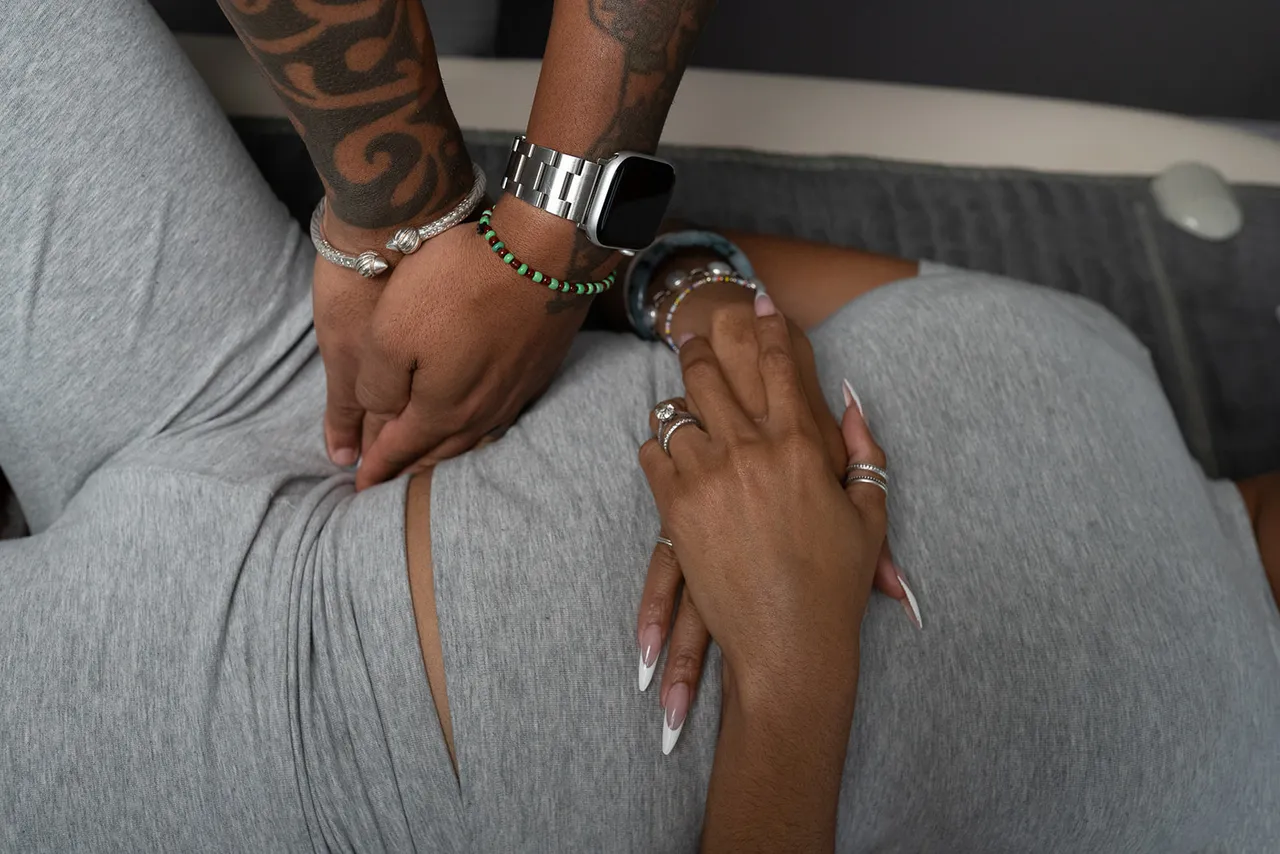
If your hips have been tight for weeks, if they snap back within a day, or if the tightness comes with low back pain or poor sleep, that is when assisted work helps most. A practitioner can find where you are actually holding (often not where you feel it) and work with your breath in ways you cannot do alone.
At The Stretch Loft, in Lanham and in Bethesda, a first visit is the Nervous System Evaluation + Reset: an intake, a breath-led downshift, then guided, hands-on stretch work on the exact patterns holding your hips in place. You leave with a written plan for keeping the change.
See a doctor or physical therapist first if your hip pain followed a fall or injury, wakes you at night, or comes with numbness, tingling or weakness. Stretch therapy is not a medical treatment and does not diagnose.
The short version
If your hips will not stay open, stop fighting them. Calm the system, then stretch slowly. And if they keep snapping back, let someone help you find out why.
Questions
Can stress really make my hips tight?
Yes. When the nervous system reads ongoing stress, it braces the body, and the hips and low back are common places that bracing shows up. The tightness is real, but the cause is protection rather than short muscle.
How long until tight hips loosen with stretch therapy?
Most people feel a difference in how their hips move after one session. Holding that change usually takes a few sessions close together, plus a short daily routine at home.
Should I stretch through hip pain?
No. Stretch to mild tension, never sharp pain. Sharp, pinching or radiating pain, numbness or pain after a fall needs a medical professional first.