People ask us this every week, usually right after they say “I get massages all the time, but it always comes back.”
Both are hands-on. Both feel good. They do different jobs.
What is the difference between massage and assisted stretching?
Massage works the soft tissue directly while you lie still. Pressure and strokes ease soreness, improve how you feel in your body for a while, and help you relax.
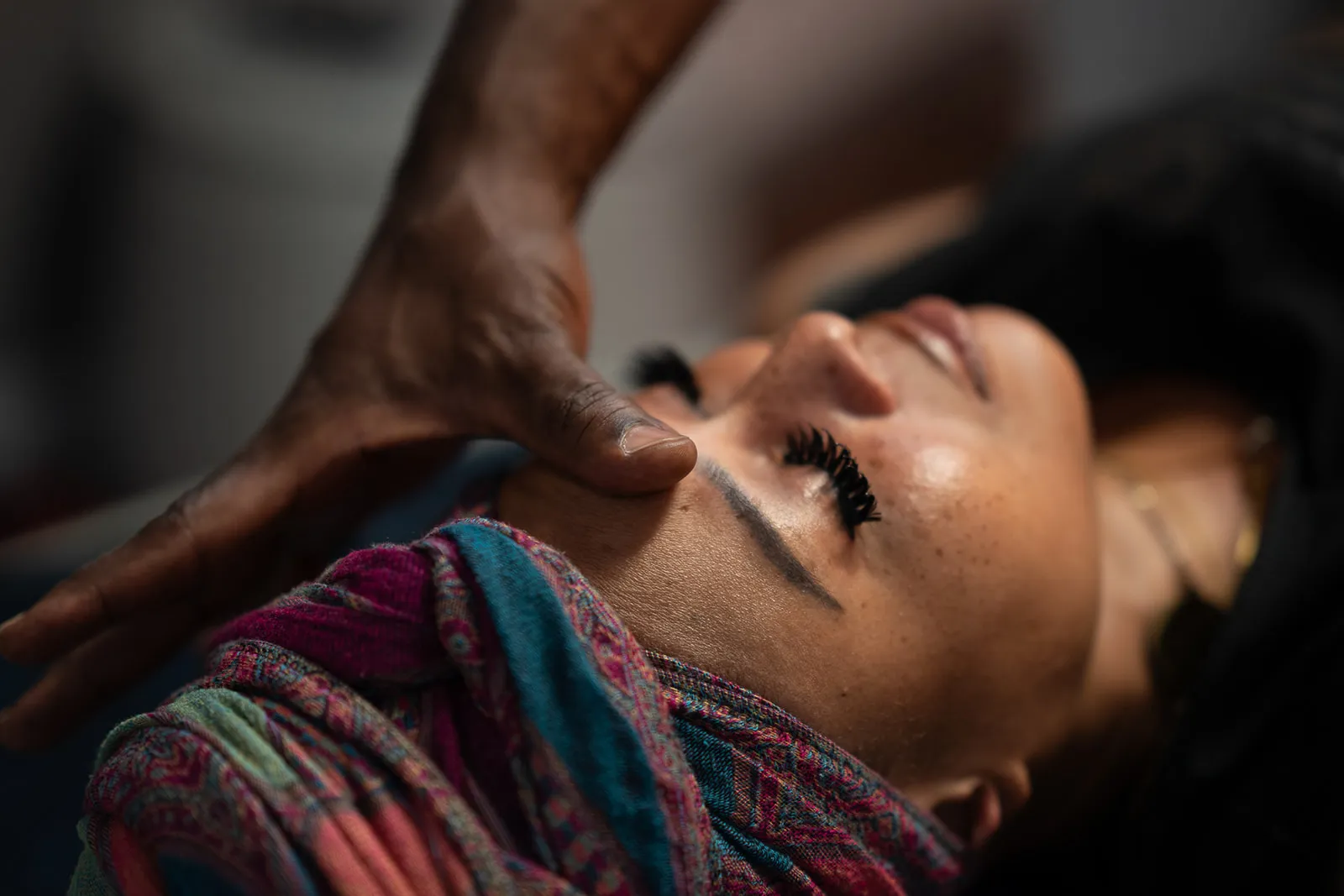
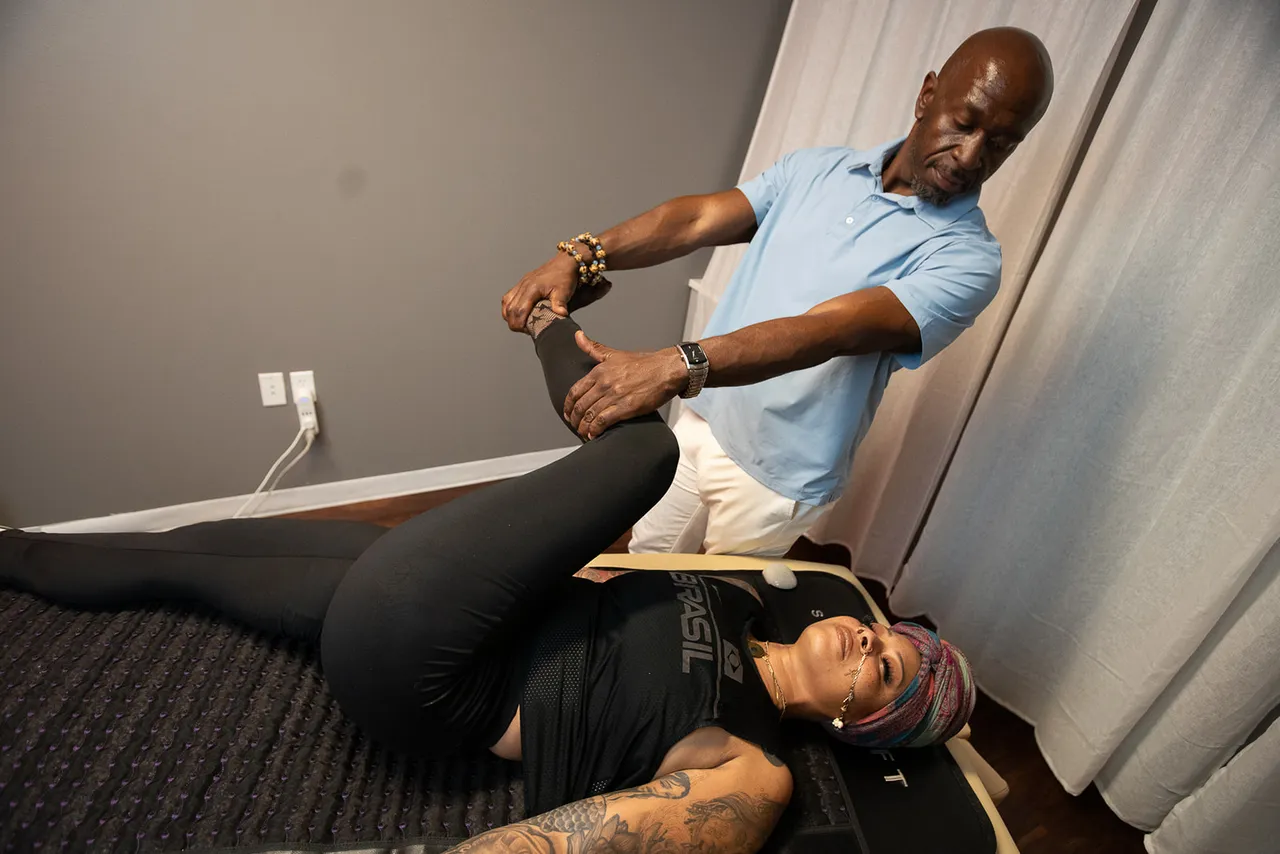
Assisted stretching moves you. A practitioner takes your body through stretches you cannot reach alone, holds positions at the right tension, and paces the work with your breath. At The Stretch Loft we add one more step first: we calm the nervous system, because a guarded muscle will not release no matter how well it is stretched.
The short way to put it: massage changes how the tissue feels today. Assisted stretching aims to change how your body holds tension.
When is massage the right call?
- You want to relax and switch off for an hour.
- You are sore after a hard week or a big training block.
- Your mobility is fine; you just feel worked.
When is assisted stretching the right call?
- The same spots keep coming back. Neck, shoulders, hips, low back that tighten again within a day or two.
- Your range is slipping. Squats feel shallower, you cannot turn your head fully when you reverse the car, your hamstrings stop you before your back does.
- Stress lives in your body. Jaw clenched, shoulders up near your ears, sleep that does not feel restful.
- You train. Athletes and lifters use assisted stretching to keep range of motion between sessions.
What does an assisted stretching session feel like?
You stay fully clothed. A first visit at our studios starts with an intake (stress, sleep, energy and where you are holding), then a few minutes of guided breathing to move you out of fight-or-flight. The stretch work that follows is slow and breath-paced. It should never hurt. Most people describe the end of the session as lighter, looser and calmer.
You also leave with something a massage usually does not give you: a written read on what we found and a plan for keeping the change.
How often should you get assisted stretching?
It depends on what you are working on. For tension that keeps coming back, most people do best with a few sessions close together, then a steady rhythm:
- To change a pattern: three sessions within two to three weeks. One session is relief; three sessions is change.
- To hold the change: every two to four weeks, alongside a short routine at home.
- For training blocks: before or after your heaviest weeks, when range of motion tends to slip.
Your practitioner will suggest a rhythm at the end of your first visit, based on what they found, not on a sales script.
Can I use my HSA or FSA for assisted stretching?
In most cases, yes. We do not bill insurance, but most clients pay for sessions at The Stretch Loft with HSA or FSA funds and submit an itemized receipt. Check your own plan’s rules with your administrator. Current session prices show on our booking page when you choose a studio and a time.
Can I do both?
Yes, and many of our clients do. Massage for recovery; assisted stretching to keep your range and release the tension that keeps returning. If you book both in the same week, put the stretch session first: a body that has just downshifted tends to get more out of the massage that follows.
How to start
If you are in Prince George’s County or Bowie, our Lanham studio on Forbes Boulevard is the closer one. If you are in Montgomery County or Northwest DC, come to our Bethesda studio on Cordell Avenue. Either way, the first visit is the same 60-minute Nervous System Evaluation + Reset.
Questions
Is assisted stretching better than massage?
Neither is better in general. Massage is excellent for relaxation and soreness. Assisted stretching suits recurring tightness, lost mobility and stress-held tension, because it works on how the body holds itself rather than only on the tissue.
Do I get undressed for assisted stretching?
No. You stay fully clothed in gym or yoga clothes and clean socks.
Can I do both?
Yes. Many clients use massage for recovery and assisted stretching to keep mobility and release held tension. Ask your practitioner how to space them.