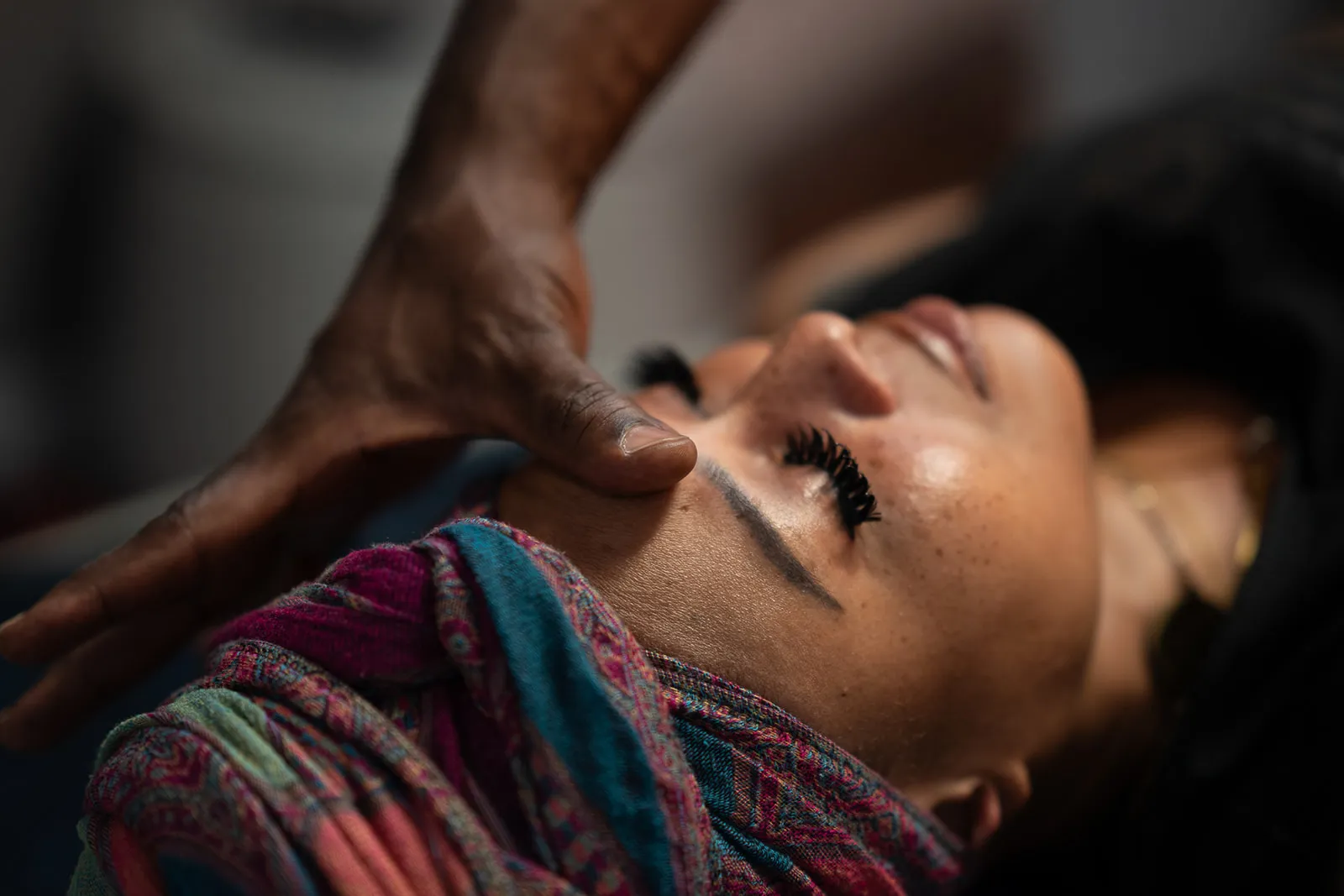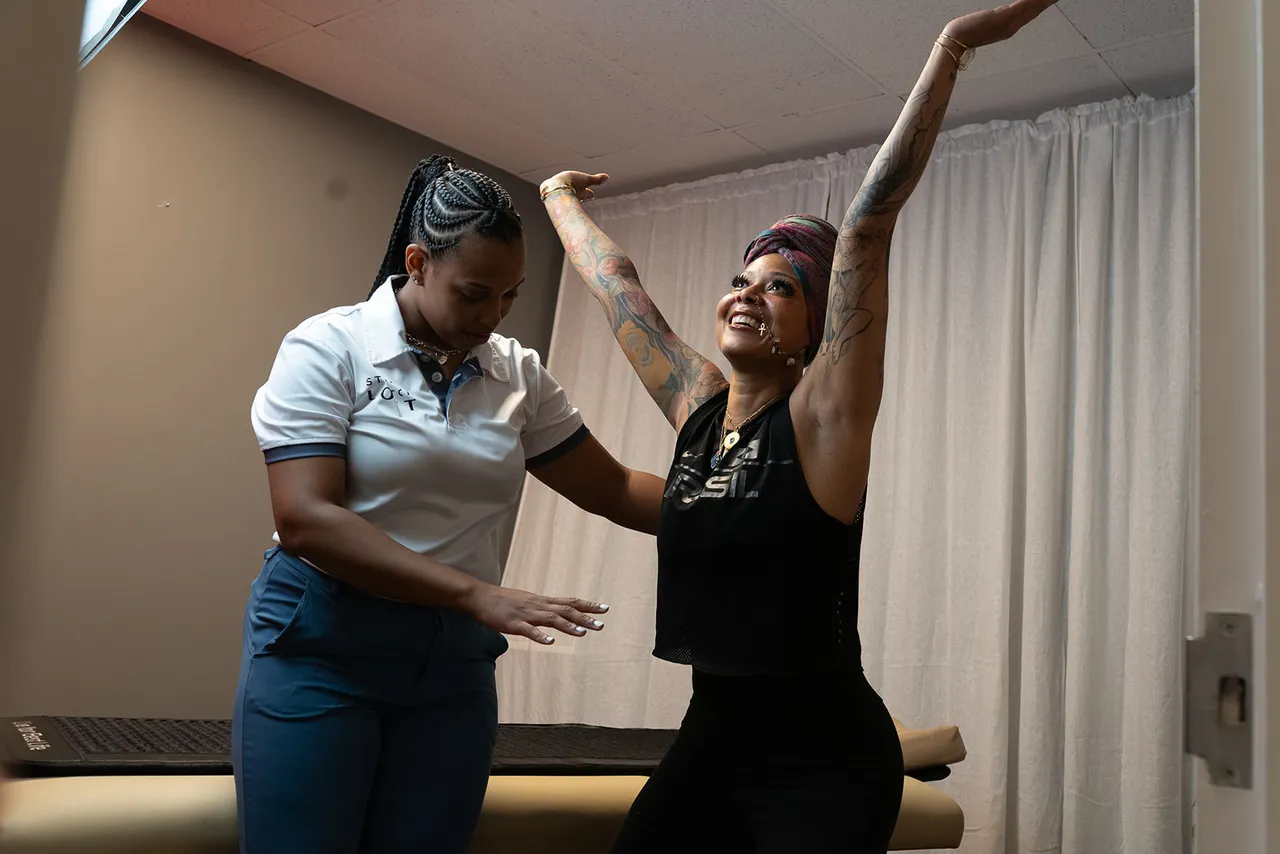
It is usually the first question after a good session. You get off the table, you turn your head further than you have in months, and you ask: how often do I need to do this?
The honest answer depends on what you came in for. But there is a pattern that works for most people, and it starts with what your body does between visits.
How often should you get assisted stretching?
For most people, every two to four weeks holds their baseline. That is where most of our clients in Lanham and Bethesda settle once their body has learned to let go.
Book closer together, around once a week, when:
- the same spot keeps tightening no matter what you do
- you are in a heavy training block or building toward a race
- work or life has your stress running high for weeks at a time
- you are just starting and want the change to stick
Space sessions further apart when your body holds the range you gained and the old tightness is slow to come back. Your practitioner will suggest a rhythm after your first visit, and it should change as you do.
Why does the tightness come back between sessions?
Tightness that returns is usually not a muscle that is too short. It is a muscle your nervous system keeps partly switched on to protect you. Long commutes, poor sleep, desk days and hard workouts all read as “stay ready”, and the body braces.
A session calms that system first, then opens the body. The range you gain is real. But if the same stress lands on you the next morning, the bracing starts to rebuild. That is why frequency matters more at the start: sessions close together give your body several chances to learn that it can let go.
Over time the gaps can grow. The body gets quicker at downshifting, and the change lasts longer after each visit.
What does the research say about how often to stretch?
The research on stretching in general points the same way. The American College of Sports Medicine recommends flexibility work for the major muscle groups on at least two days a week, around 60 seconds per stretch in total. Harvard Health goes further and suggests daily stretching, or at least three or four times a week.
Two ideas run through all of it:
- Consistency beats intensity. Flexibility builds over weeks and months. One heroic session does far less than steady, regular work.
- The gains fade if you stop. Range you do not use slowly goes back to where it was.
Assisted sessions are not a replacement for that regular work. They are what makes the regular work easier to do well. A practitioner can take you into positions you cannot reach or hold safely alone, at the right tension, paced with your breath.
What should I do between sessions?
You do not need an hour. Ten minutes on most days keeps what you gained on the table.
Try this in the evening:
- Two minutes of breathing. Lie on your back with your knees bent. Breathe in through your nose for four counts and out slowly for six to eight. Long exhales are the most direct way to tell your body it is safe.
- Stretch the areas you worked. Choose two or three stretches your practitioner showed you. Ease into each one to mild tension, never sharp pain.
- Hold and breathe. Stay for 20 to 30 seconds and let each exhale take you a little deeper. Repeat two or three times.
- Finish slowly. Come up gradually, and notice how your hips, back and shoulders feel.
If you train, add a few minutes after each workout. If you sit all day, stand and move every hour.
When is it time to see a doctor instead?
Assisted stretching is for tension, stiffness and range of motion. It is not a medical treatment, and our practitioners do not diagnose conditions.
See a doctor or physical therapist before booking if you have sharp, shooting or radiating pain, numbness or tingling, pain after a fall or injury, or pain that is getting worse. If you are recovering from surgery or managing a condition, ask your doctor first. We are glad to work alongside your care team.
Where to start
If you are new, start with a first visit. Your practitioner will assess how your body holds tension, calm the system, then work through the areas that need it most. Before you leave, you will get a clear suggestion for how often to come back and a short routine to keep at home.
Book at either studio: Lanham for Prince George’s County and Bowie, or Bethesda for Montgomery County and Northwest DC. After that, a full-body session every few weeks, with an Express Relief session in between when one area flares, keeps most people moving well.
Questions
Is once a week too often for assisted stretching?
No. Weekly sessions suit people working through a stubborn pattern, recovering from a hard training block, or carrying a lot of stress. Most clients move to every two to four weeks once their body holds the change.
How many sessions until I feel a difference?
Most people feel a difference in how they move after one session. Making the change last usually takes a few sessions close together, plus a short routine at home.
Can I just stretch at home instead?
Yes, and you should stretch at home either way. Assisted sessions reach positions you cannot hold safely alone and pace the work with your breath; home stretching keeps that range between visits.